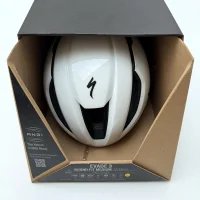
RM 430
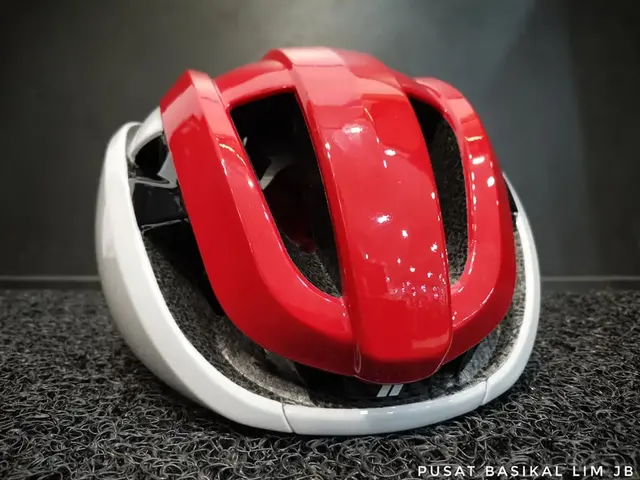
Evade III helmet (Medium)
Kuala Lumpur
2 months
Cycling helmets for sale in Malaysia — road, MTB and commuter helmets for all riding styles.
RM 430
Evade III helmet (Medium)
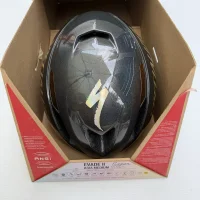
RM 280
Specialized Evade II helmet
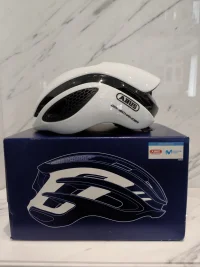
RM 450
ABUS Game Changer Helmet
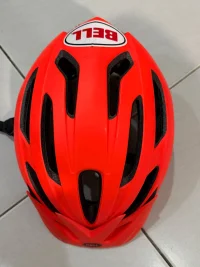
RM 150
BELL HELMET FREE SIZE
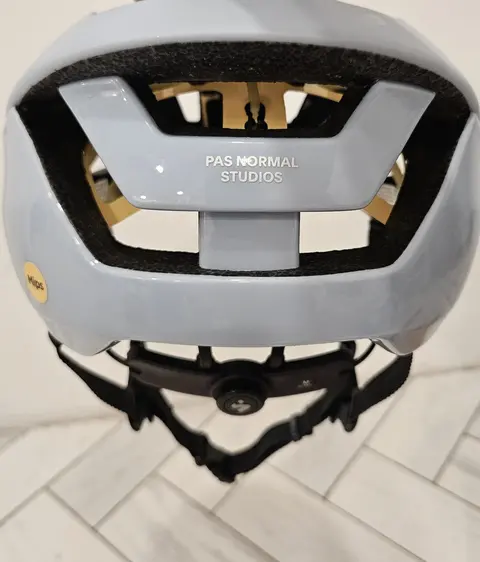
RM 700
Helmet falconer II Aero Pas Normal Studios
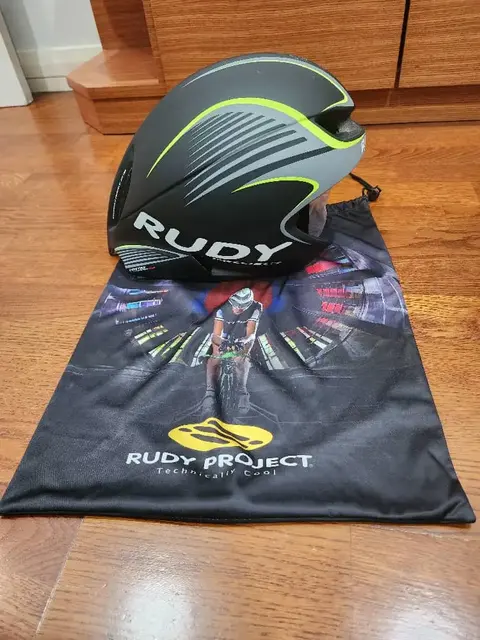
RM 500
Triathlon Helmet Rudy Project Wing 57
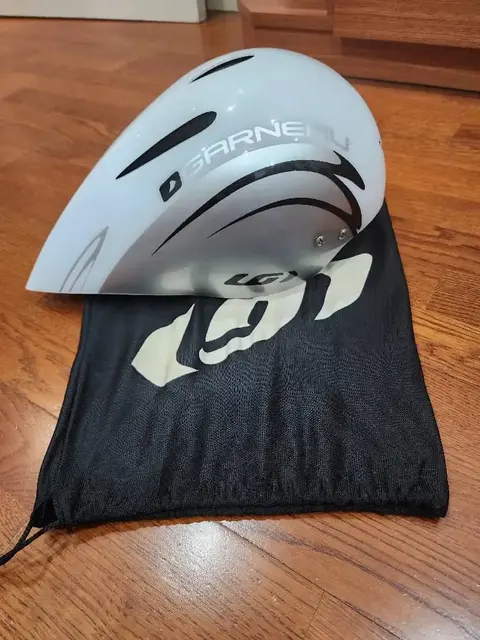
RM 200
Triathlon Helmet Luis Garneau Rocket Air
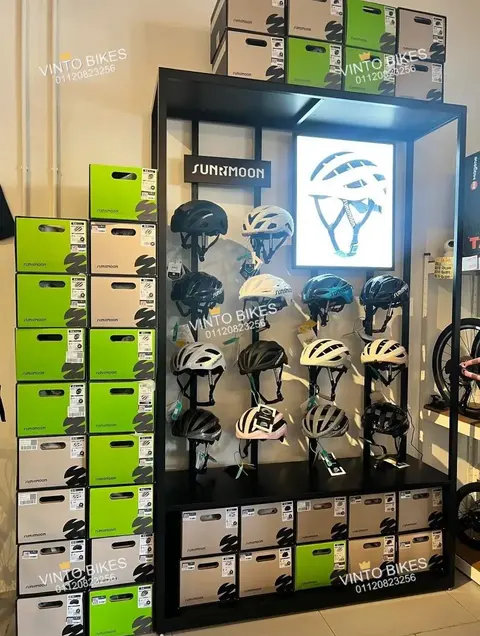 New
New
RM 229
Sunrimoon Cycling Helmet 3D-GRID elastic matrix system
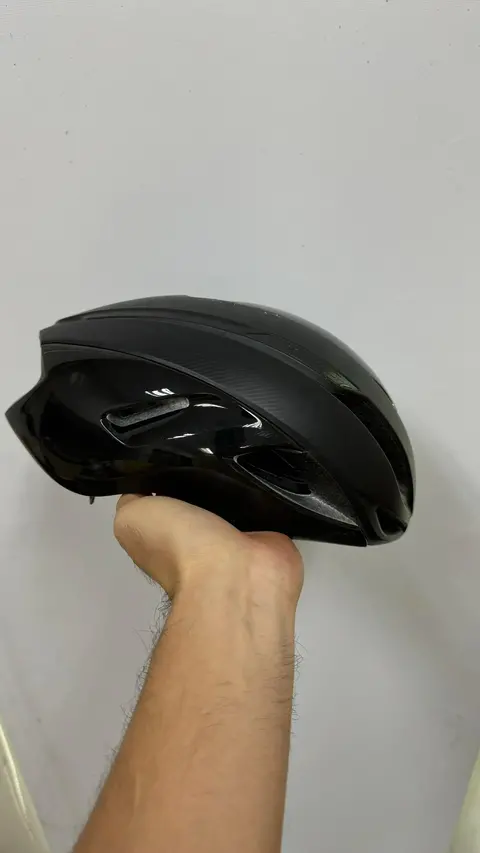
RM 399
S-Works Evade 2
 New
New
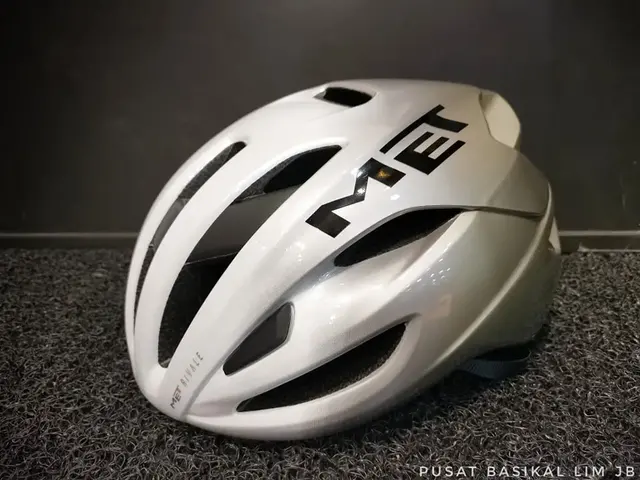
RM 499
Met Rivale Mips Helmet.................
 New
New
 New
New
 New
New
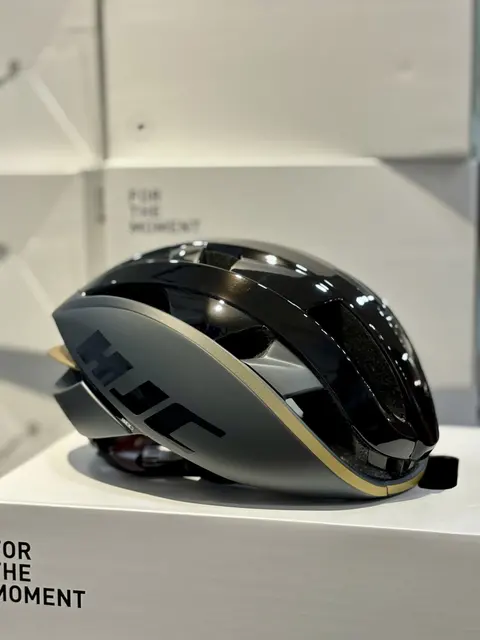
RM 1,099
HJC IBEX 3 Road Helmet (Black Gold )
 New
New
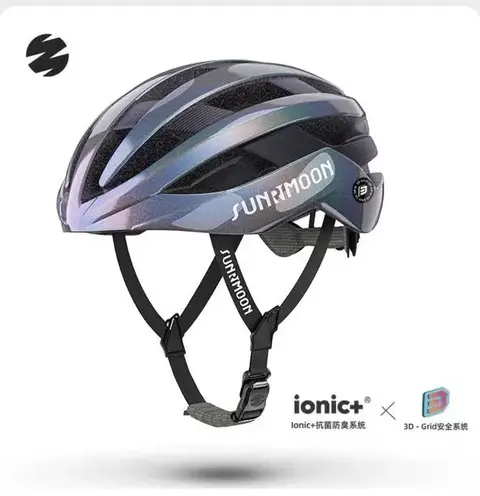
RM 229
SUNRIMOON CYCLING HELMET TS-99 SARIEL 3D,TS-99 SARIEL 3D
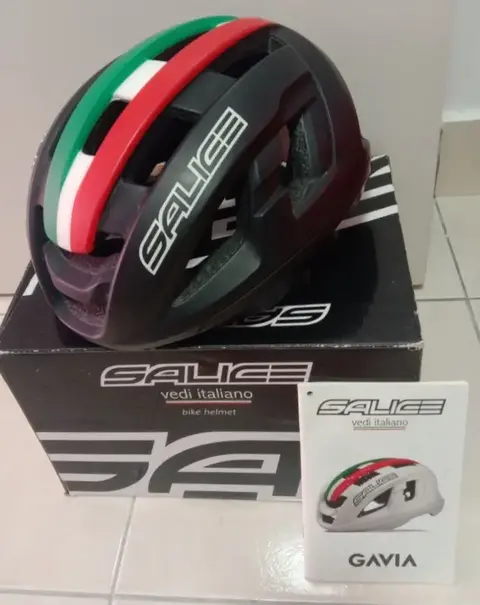
RM 180
Helmet Salice Gavia
 New
New
RM 289
SUNRIMOON CYCLING HELMET CS-57 ALIEN
 New
New
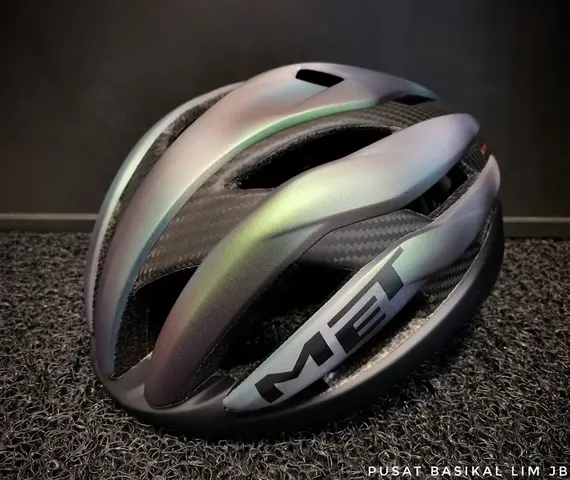
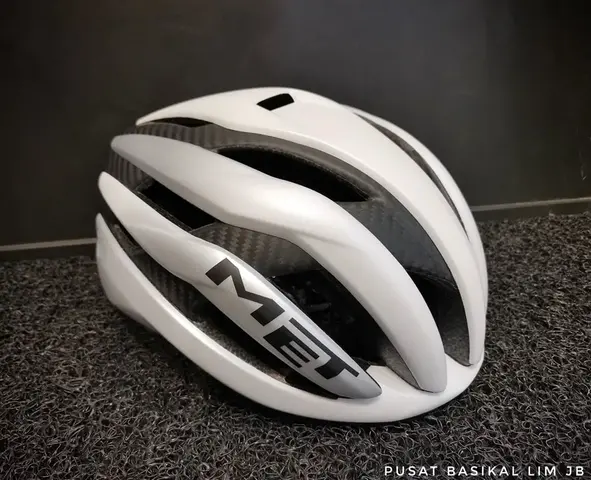
RM 990
Met Trenta 3K Carbon MIPS Helmet..............
 New
New
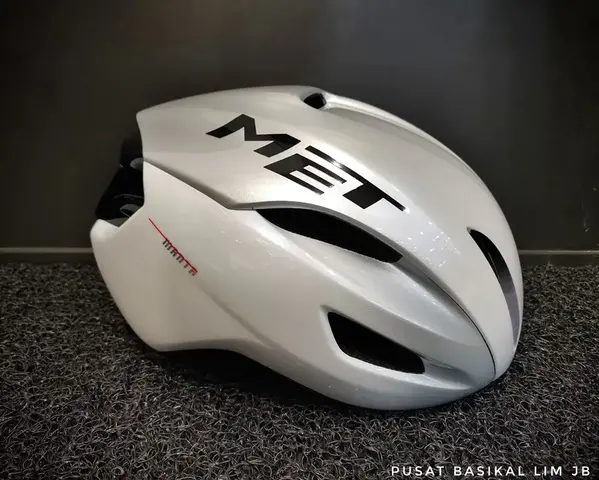
RM 780
Met Manta MIPS Cycling Helmet...............
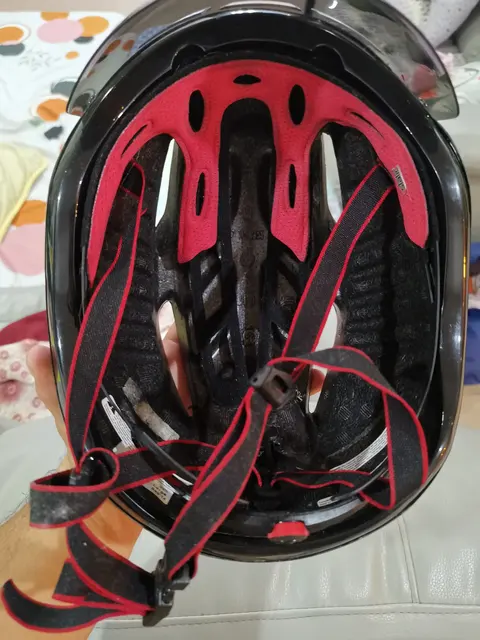
RM 150
GIRO AIR-ATTACK SHIELD HELMET
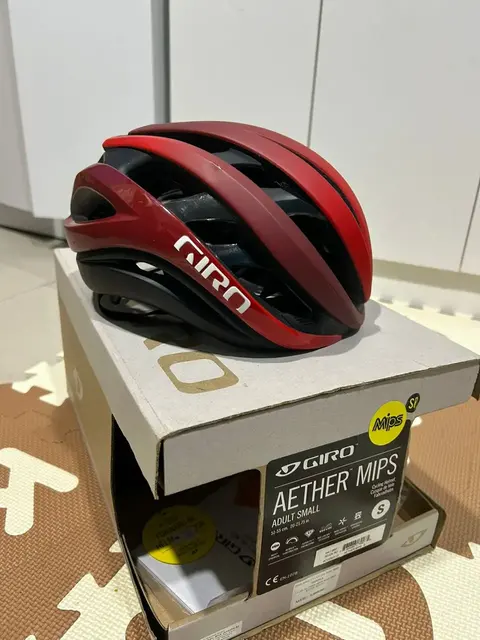
RM 650
Giro aether Mips S size
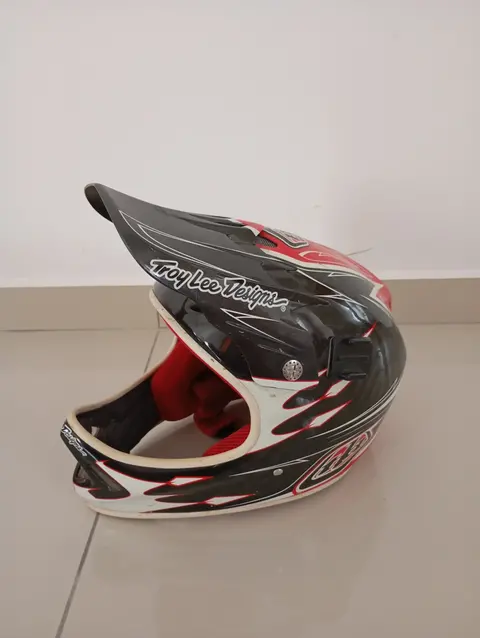
RM 300
Troy Lee Designs D2 Shaun Plamer
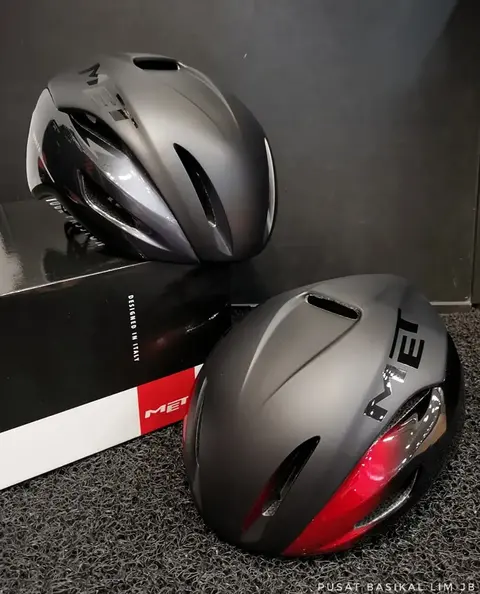 New
New
RM 780
Met Manta MIPS Cycling Helmet........
 New
New
RM 1,099
HJC IBEX 3.0 Cycling Helmet,,
 New
New
RM 1,099
HJC IBEX 3.0 Cycling Helmet..,,
A well-fitted helmet is the single most important piece of cycling safety equipment. Look for helmets certified to CPSC (American), EN 1078 (European) or AS/NZS 2063 (Australian/New Zealand) standards — these are the marks that confirm the helmet has passed impact testing. In Malaysia's heat, ventilation is a key purchase factor; road helmets typically have more open vents than commuter or MTB models.
Helmets must be replaced after any significant impact, even if there is no visible damage — the EPS foam compresses permanently on impact and will not protect you again. As a general rule, replace your helmet every three to five years regardless of crashes, as UV exposure and sweat degrade the foam and straps over time. Always inspect a used helmet carefully before buying — if you are uncertain of its history, buy new.
Run a bike shop? Try BikeFix
Job tickets, online bookings and customer history — free for up to 20 jobs a month.